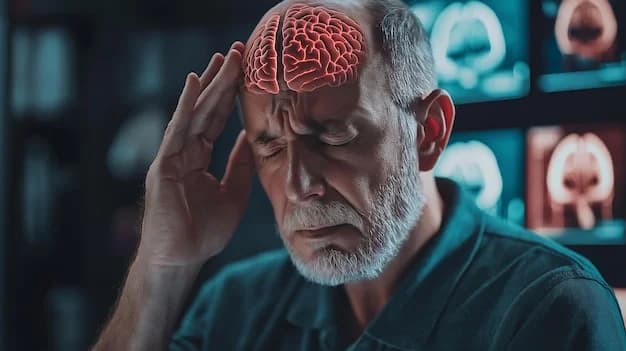
Treated by Dr. Priyanka Sangani at Blue Ray Neuro Care
Stroke in Narsingi is a medical emergency where blood flow to the brain is interrupted, causing brain cell death. Symptoms include sudden weakness, speech problems, and facial drooping. Expert neurologist Dr. Priyanka Sangani at Blue Ray Neuro Care provides comprehensive stroke care.
Most common type caused by blood clot blocking brain arteries, accounting for 80% of all strokes
Less common type caused by blood vessel rupture and bleeding into brain tissue
Mini-stroke with temporary symptoms lasting less than 24 hours, warning sign of future stroke
Multiple factors can contribute to the development and progression of this condition.
Stroke develops gradually. Recognising symptoms early gives you more treatment options.
From conservative to surgical — we always start with the least invasive option first.
A structured, patient-first approach from first visit to full recovery.
Blue Ray Neuro Care provides immediate neurological evaluation using NIHSS scale and rapid brain imaging to determine stroke type and severity
Our team delivers time-critical interventions including thrombolytic therapy or mechanical thrombectomy within therapeutic windows for optimal outcomes
Dr. Priyanka Sangani coordinates multidisciplinary care including speech therapy, physical therapy, and occupational therapy for complete recovery
We provide ongoing stroke prevention strategies, risk factor modification, and regular follow-up to prevent future strokes and optimize function
What to expect at each phase of recovery.
First 72 hours focusing on medical stabilization, preventing complications, and early mobilization with intensive monitoring
Weeks to months of structured therapy including physical, occupational, and speech therapy to restore function and independence
Ongoing management with lifestyle modifications, medication compliance, and regular follow-up to prevent recurrence and optimize quality of life
Early treatment can restore 80-90% of function when stroke is caught within the first few hours
Prompt intervention significantly reduces risk of permanent disability and improves long-term independence
Immediate medical care reduces stroke mortality risk by 30-50% compared to delayed treatment
Comprehensive rehabilitation and ongoing care help patients return to meaningful activities and social participation
Without prompt treatment, stroke leads to permanent brain damage, paralysis, and life-threatening complications. Delayed intervention significantly increases risk of death, severe disability, and poor quality of life. Every minute of delay results in loss of 2 million brain cells.
Seek immediate emergency care if experiencing sudden face drooping, arm weakness, or speech difficulties (BE-FAST symptoms). Time is critical in stroke treatment - call emergency services immediately. Even if symptoms improve, medical evaluation is essential as this may indicate transient ischemic attack requiring urgent care.
Early treatment means more options and better outcomes. Book a consultation to understand your condition and explore the right path forward.