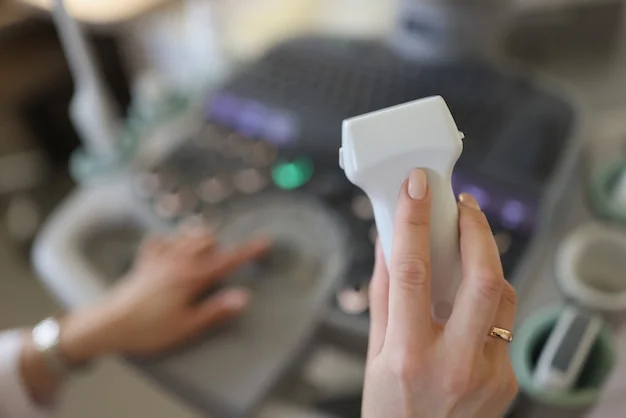
Performed by Dr. Priyanka Sangani at Blue Ray Neuro Care
Transcranial Doppler (TCD) in Narsingi is a non-invasive ultrasound technique that measures blood flow in brain arteries using sound waves. This painless procedure helps detect stroke risk, arterial stenosis, and other cerebrovascular conditions without radiation exposure. Expert neurologist Dr. Priyanka Sangani at Blue Ray Neuro Care provides comprehensive TCD assessments.
We believe in honest, upfront disclosure so you can make an informed decision.
A step-by-step look at what happens during this procedure.
You lie comfortably on an examination table with your head and neck properly supported for optimal probe access.
Clear ultrasound gel is applied to temples, eyelids, jaw area, and neck to enhance sound wave transmission.
The transducer probe is positioned over specific cranial windows to access brain arteries through skull openings.
High-frequency sound waves (2-3 MHz) penetrate the skull and reflect off moving blood cells in brain vessels.
Computer analyzes reflected sound waves to create real-time blood flow velocity measurements and spectral displays.
A structured, patient-first approach from first consultation to full recovery.
Dr. Priyanka Sangani reviews medical history and explains the TCD procedure, addressing any patient concerns comprehensively.
Our certified technologists use state-of-the-art transcranial Doppler equipment ensuring optimal image quality and accurate measurements.
Continuous real-time monitoring of cerebral blood flow with immediate interpretation by our experienced neurologist team.
Detailed analysis and personalized treatment recommendations provided same-day with follow-up care planning at Blue Ray Neuro Care.
What to expect at each stage of your recovery journey.
No recovery time needed. Gel is cleaned off and you can immediately resume normal activities including driving and work.
Results discussion with neurologist and any necessary follow-up planning. No activity restrictions or special care required.
Scheduled return visits if monitoring is needed or additional treatments recommended based on TCD findings.
Early detection of arterial narrowing or blockages that could lead to stroke, enabling preventive treatment interventions.
Real-time measurement of cerebral blood flow velocities helping diagnose vasospasm, stenosis, and emboli detection.
Provides critical information for neurologists to develop appropriate treatment plans for cerebrovascular conditions.
Regular TCD monitoring helps track disease progression and treatment effectiveness in chronic neurological conditions.
Let's clear up some of the most common myths about transcranial doppler (tcd).
Get a personalised assessment from an experienced specialist. Understand your options, ask your questions, and decide with confidence.