Performed by Dr. Priyanka Sangani at Blue Ray Neuro Care
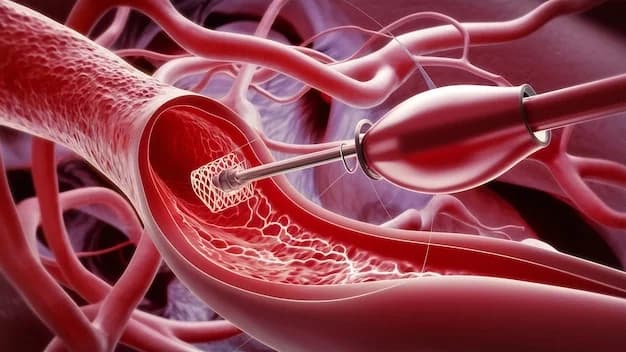
Mechanical Thrombectomy in Narsingi is a minimally invasive endovascular procedure that removes blood clots from blocked brain arteries, particularly during acute ischemic strokes. This time-sensitive intervention uses specialized catheter-based devices to physically extract clots, rapidly restoring cerebral blood flow and minimizing permanent brain damage. Dr. Priyanka Sangani at Blue Ray Neuro Care provides expert mechanical thrombectomy services with state-of-the-art neurointervention technology.
We believe in honest, upfront disclosure so you can make an informed decision.
A step-by-step look at what happens during this procedure.
Rapid neurological evaluation and advanced brain imaging are performed to confirm large vessel occlusion, assess salvageable brain tissue, and determine eligibility for mechanical thrombectomy within the critical time window.
Under fluoroscopic guidance, a small puncture is made in the femoral artery in the groin, and a catheter sheath is inserted to provide access to the arterial system for navigating specialized devices to the brain.
Using real-time angiographic imaging, microcatheters and guidewires are carefully advanced through the arterial system, navigating from the groin through the aorta, neck vessels, and into the blocked cerebral artery.
Specialized thrombectomy devices such as stent retrievers or aspiration catheters are deployed at the clot site to capture and mechanically remove the obstructing thrombus, restoring blood flow to the affected brain region.
Post-procedure angiography confirms successful recanalization and adequate blood flow restoration. The catheter is removed, the groin access site is closed with manual compression or closure device, and the patient is transferred for neurological monitoring.
A structured, patient-first approach from first consultation to full recovery.
Blue Ray Neuro Care maintains a streamlined acute stroke protocol with 24/7 neurointervention capability, ensuring minimal door-to-groin puncture time to maximize brain tissue preservation during the critical treatment window.
Our facility utilizes cutting-edge CT and MRI perfusion imaging to accurately identify salvageable brain tissue, guide patient selection, and optimize thrombectomy outcomes with precision-guided treatment planning.
Dr. Priyanka Sangani leads a specialized multidisciplinary team including neurointerventionalists, neurointensivists, and trained stroke nurses who coordinate seamlessly to deliver comprehensive periprocedural care and monitoring.
Patients receive dedicated neurological intensive care monitoring, serial neurological assessments, rehabilitation planning, and secondary stroke prevention strategies to optimize recovery outcomes and prevent recurrence.
What to expect at each stage of your recovery journey.
Patients are monitored in the neurointensive care unit for 24-72 hours with continuous neurological assessments, blood pressure management, repeat brain imaging to detect complications, and maintenance of optimal cerebral perfusion.
Following stabilization, early mobilization begins with multidisciplinary rehabilitation including physical, occupational, and speech therapy as needed. Secondary stroke prevention medications are optimized, and modifiable risk factors are addressed comprehensively.
Continued outpatient neurorehabilitation focuses on maximizing functional independence and quality of life. Regular follow-up appointments monitor neurological recovery, medication adherence, vascular risk factor control, and prevention of recurrent cerebrovascular events.
Successful recanalization frequently results in dramatic improvement in stroke symptoms within hours to days, with many patients experiencing significant recovery of motor function, speech, and cognitive abilities depending on the extent of initial injury.
Mechanical thrombectomy significantly increases the likelihood of functional independence at 90 days compared to medical management alone, with substantially higher rates of patients achieving modified Rankin Scale scores of 0-2.
Early clot removal minimizes permanent brain damage, allowing patients to return to meaningful activities, employment, and independent living, while reducing long-term disability and caregiver burden.
Timely mechanical thrombectomy reduces stroke-related mortality and severe disability outcomes, particularly in patients with large vessel occlusions who would otherwise face devastating neurological deficits from medical therapy alone.
Let's clear up some of the most common myths about mechanical thrombectomy.
Get a personalised assessment from an experienced specialist. Understand your options, ask your questions, and decide with confidence.