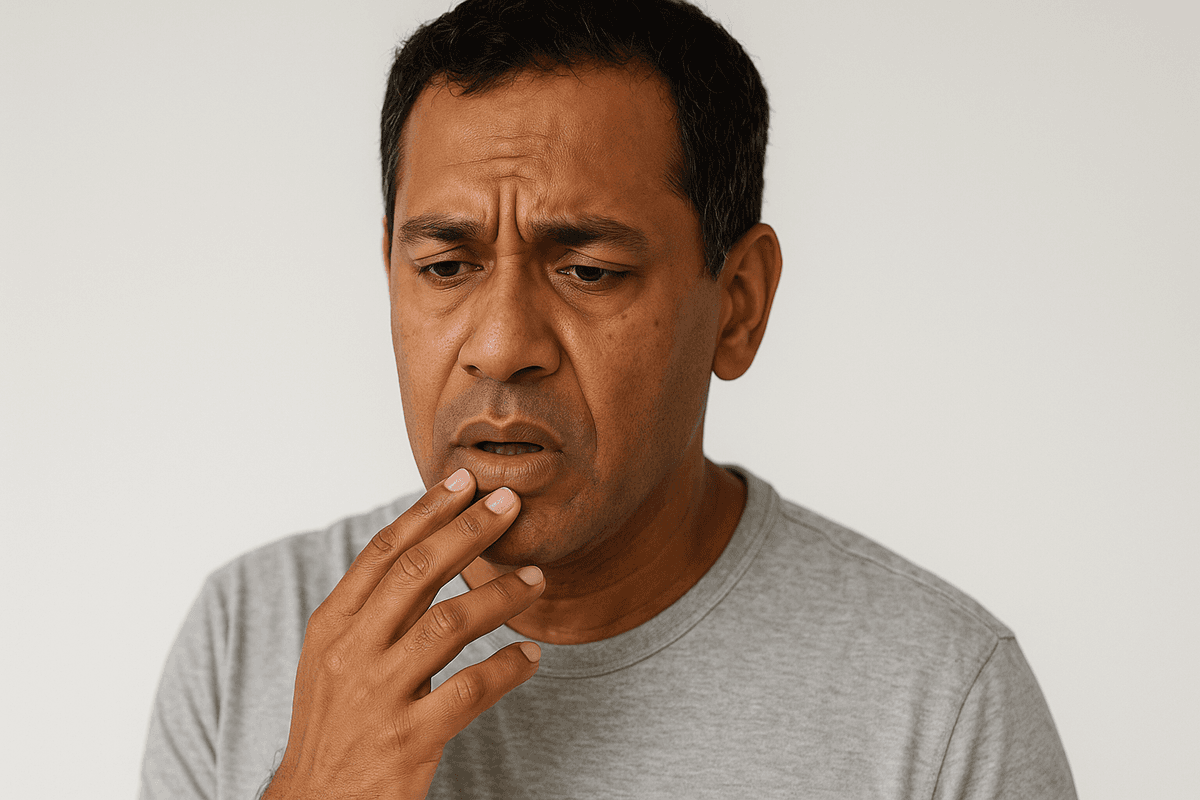
Treated by Dr. Priyanka Sangani at Blue Ray Neuro Care
Speech disorders include a range of conditions that make it difficult to produce sounds correctly, speak fluently, or use the voice normally. These disorders can affect children learning to talk or adults after neurological injury or illness. Dr. Priyanka Sangani at Blue Ray Neuro Care in Narsingi evaluates speech disorders through detailed clinical assessment and works with patients to identify underlying causes and appropriate treatment options.
Difficulty producing specific sounds correctly, leading to unclear or distorted speech. Sounds may be substituted, omitted, or added inappropriately.
Interruptions in the flow of speech, including stuttering with repetitions, prolongations, or blocks that affect the rhythm and smoothness of speaking.
Problems with pitch, volume, or quality of the voice that make it sound hoarse, breathy, strained, or abnormally high or low.
Multiple factors can contribute to the development and progression of this condition.
Recognising the signs early gives you more treatment options.
Speech disorders are assessed through a detailed clinical history and examination of speech patterns, voice quality, fluency, and articulation. Additional tests may be recommended based on suspected underlying causes, though not every patient requires every investigation.
From conservative to surgical — we always start with the least invasive option first.
A structured, patient-first approach from first visit to full recovery.
We begin with a detailed conversation about when the speech difficulty started, what makes it better or worse, and any related medical history. A thorough neurological examination helps identify potential underlying causes.
Based on the clinical findings, we may recommend specific tests such as brain imaging or neurological studies to understand the root cause. Not every patient needs every test—we tailor investigations to individual circumstances.
We develop a treatment plan that addresses both the speech disorder and any underlying condition. This often involves collaboration with speech therapists and may include medications or rehabilitation as appropriate.
We monitor progress through follow-up visits, adjusting the treatment approach as needed. Our goal is to help patients communicate as effectively as possible while managing any neurological factors contributing to the speech disorder.
What to expect at each phase of recovery.
Initial focus is on establishing a diagnosis and beginning appropriate therapy or treatment. Patients start learning techniques and exercises while any underlying medical conditions are addressed. The timeline varies widely depending on the cause and severity.
Patients work consistently with speech therapy exercises and any prescribed medical treatments. Improvement may be gradual, and the pace depends on individual factors including the underlying cause and commitment to practice.
Once maximum improvement is achieved, the focus shifts to maintaining gains and preventing regression. Some patients continue with periodic therapy sessions or exercises, while others may require long-term assistive communication strategies.
Many patients experience clearer speech and better ability to communicate with treatment and therapy. The degree of improvement varies based on the underlying cause, with some conditions responding better than others.
Better communication often leads to improved confidence, social interaction, and ability to participate in daily activities. Even partial improvement can significantly impact a patient's overall well-being.
When speech disorders result from progressive neurological conditions, treatment focuses on maintaining function and providing communication support. Complete resolution may not be possible, but management can help patients communicate more effectively.
Response to treatment differs from person to person. Factors including age, underlying cause, severity of the disorder, and consistency with therapy all influence outcomes. Some patients achieve near-normal speech while others benefit from ongoing support strategies.
Untreated speech disorders can lead to ongoing difficulty communicating, affecting work, education, and social relationships. In cases where the disorder results from an underlying neurological condition, delay in evaluation may mean missing an opportunity to address that condition early. Children with untreated speech disorders may face challenges in school and social development.
Seek medical evaluation if you or your child experience sudden changes in speech, difficulty being understood by others, or persistent problems with voice quality or fluency. Immediate attention is needed if speech difficulty appears suddenly alongside other symptoms like weakness, confusion, or facial drooping, as these may indicate a stroke or other serious neurological condition.
Early treatment means more options and better outcomes. Book a consultation to understand your condition and explore the right path forward.