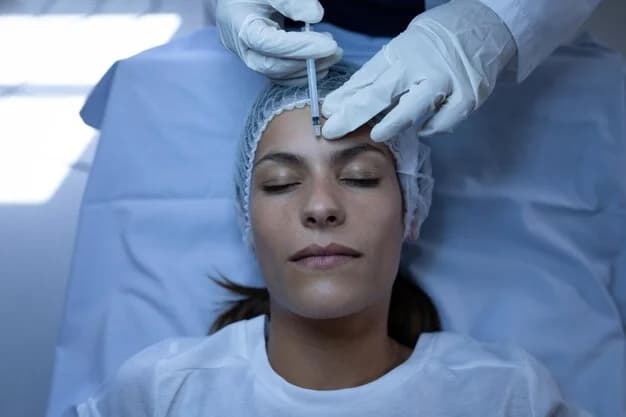
Performed by Dr. Priyanka Sangani at Blue Ray Neuro Care
Botox therapy involves injecting small amounts of botulinum toxin into specific muscles or glands to reduce unwanted muscle activity. It is used for several neurological conditions including chronic migraine, cervical dystonia, muscle spasticity after stroke, and excessive sweating. Dr. Priyanka Sangani evaluates each patient to determine whether Botox therapy is appropriate for their specific condition.
We believe in honest, upfront disclosure so you can make an informed decision.
A step-by-step look at what happens during this procedure.
The neurologist examines the affected muscles and marks the injection sites based on the condition being treated.
The skin is cleaned with antiseptic. A numbing cream or ice may be applied to reduce discomfort.
Very small amounts of botulinum toxin are injected into the targeted muscles using a fine needle. Multiple injections may be needed depending on the area.
After the injections, you rest briefly while the medical team checks for any immediate reactions.
You receive guidance on activity restrictions and signs to watch for, then you can go home the same day.
A structured, patient-first approach from first consultation to full recovery.
Blue Ray Neuro Care conducts a thorough evaluation to confirm the diagnosis and decide if Botox therapy is the right choice for your condition.
The injection sites, doses, and technique are tailored to your specific symptoms and muscle patterns.
All injections are performed under strict sterile conditions, with measures to minimise discomfort during the procedure.
Scheduled review appointments monitor your response, manage any side effects, and plan repeat treatments if needed.
What to expect at each stage of your recovery journey.
You can resume most normal activities right away. Avoid strenuous exercise, lying flat for several hours, and massaging the treated area. Mild discomfort at injection sites is common.
The medication begins to take effect gradually. You may notice improvement in symptoms such as muscle tightness, headache frequency, or spasms. Some people experience minor weakness in nearby muscles.
The benefit typically lasts three to four months, after which symptoms may gradually return. Repeat injections are usually needed to maintain the effect, and the treatment plan may be adjusted over time.
Botox therapy may reduce the frequency and severity of chronic migraines, lessen muscle spasms and stiffness, and improve comfort and function. Individual responses vary, and some people experience greater relief than others.
The improvement is not permanent. Most people need repeat treatments every three to six months to sustain the benefit.
Botox does not address the underlying cause of the condition. It manages symptoms but does not reverse the disease process in conditions like dystonia or spasticity.
Some individuals do not respond to Botox therapy or develop tolerance over time, requiring a change in treatment approach.
The right choice depends on your diagnosis, risks and circumstances — discussed with you at your consultation.
Muscle relaxants, anti-seizure drugs, or other medications may be used instead of or alongside Botox. They are considered when injections are not suitable or preferred.
Exercises, stretching, and other therapies can help manage spasticity, improve movement, and reduce pain. Often used together with Botox or as an alternative for milder cases.
Procedures such as selective dorsal rhizotomy or deep brain stimulation may be considered for severe, treatment-resistant conditions. These are reserved for specific situations after other options have been tried.
Let's clear up some of the most common myths about botox therapy.
Get a personalised assessment from an experienced specialist. Understand your options, ask your questions, and decide with confidence.