Performed by Dr. Priyanka Sangani at Blue Ray Neuro Care
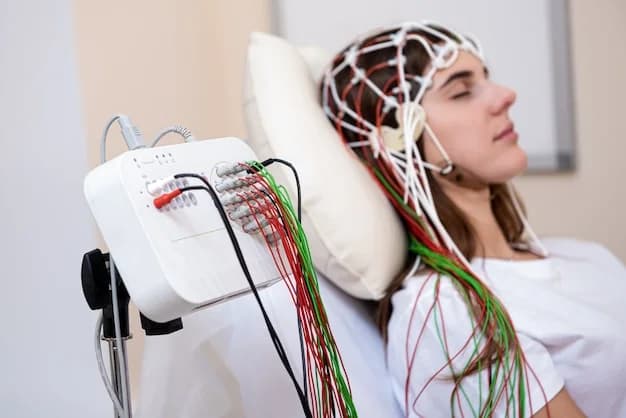
An electroencephalogram (EEG) is a test that records the electrical activity of your brain using small sensors placed on your scalp. It helps Dr. Priyanka Sangani evaluate conditions like epilepsy, unexplained seizures, sleep problems, or changes in consciousness. The test is painless and typically takes about 45 to 60 minutes.
We believe in honest, upfront disclosure so you can make an informed decision.
A step-by-step look at what happens during this procedure.
Small metal discs called electrodes are attached to your scalp using a special paste or adhesive. These sensors detect the electrical signals produced by your brain cells.
You will lie quietly on a bed or sit in a chair while the machine records your brain waves. The electrodes send signals to a computer that displays the patterns as wavy lines.
You may be asked to breathe deeply, look at flashing lights, or close your eyes. These steps help reveal certain brain wave patterns that may not appear during rest.
For some conditions, the neurologist may need to record your brain activity while you sleep. You will rest naturally or may have been sleep-deprived beforehand to help you fall asleep during the test.
Once enough data is collected, the electrodes are gently removed. The paste is cleaned off, and you can resume your normal activities immediately.
A structured, patient-first approach from first consultation to full recovery.
Blue Ray Neuro Care reviews your medical history and symptoms to determine the type of EEG needed and provides clear instructions for preparation.
The test is performed in a quiet, dimly lit room to help you relax. The technician explains each step and ensures the electrodes are placed comfortably.
Throughout the recording, the technician observes you and the brain wave patterns to ensure good-quality data is captured. Any movements or events are noted.
Dr. Priyanka Sangani reviews the EEG recording and discusses the findings with you, explaining what the brain wave patterns mean and the next steps in your care.
What to expect at each stage of your recovery journey.
You can leave as soon as the electrodes are removed. There are no restrictions on eating, driving, or returning to work. If you were sleep-deprived, rest before driving.
You may wash your hair at home to remove any remaining paste or adhesive. Most residue comes off easily with regular shampoo.
If any medications were adjusted before the test, your neurologist will advise when to resume your regular schedule. Individual instructions take priority.
An EEG can help identify abnormal electrical patterns associated with epilepsy or other seizure conditions, guiding treatment decisions.
The test provides information about overall brain activity and can detect changes related to infections, injuries, or sleep disorders.
A normal EEG does not always mean there is no underlying problem. Some brain conditions show abnormal patterns only during specific events that may not occur during the test.
Depending on the findings, your neurologist may recommend additional tests such as prolonged monitoring, MRI, or repeated EEGs to get a complete picture.
The right choice depends on your diagnosis, risks and circumstances — discussed with you at your consultation.
A longer recording, often lasting 24 hours or more in a hospital setting, combined with video to capture seizures or other events as they happen. Considered when a routine EEG does not provide enough information.
A portable device you wear at home for one to several days that records brain activity during your normal routine. Useful when events happen infrequently or outside a clinic setting.
Used to look at the structure of the brain rather than electrical activity. Chosen when the concern is a tumour, stroke, or structural abnormality rather than seizure activity.
Let's clear up some of the most common myths about electroencephalogram (eeg).
Get a personalised assessment from an experienced specialist. Understand your options, ask your questions, and decide with confidence.