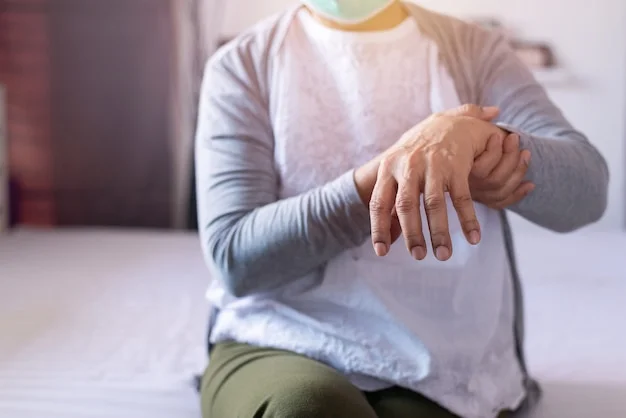
Treated by Dr. Priyanka Sangani at Blue Ray Neuro Care
Parkinsonism is a group of neurological disorders causing movement difficulties in Narsingi and surrounding areas. This condition affects muscle control, causing tremors, stiffness, and slowed movements that can significantly impact daily activities. Dr. Priyanka Sangani at Blue Ray Neuro Care provides specialized neurological treatment for parkinsonism patients.
Includes idiopathic Parkinson's disease and genetic forms, accounting for most cases with unknown causes but involving protein misfolding in brain cells.
Caused by medications, toxins, infections, or other medical conditions that damage dopamine-producing brain cells or block dopamine action.
Includes multiple system atrophy, progressive supranuclear palsy, and corticobasal degeneration with additional neurological features beyond typical parkinsonism.
Multiple factors can contribute to the development and progression of this condition.
Parkinsonism develops gradually. Recognising symptoms early gives you more treatment options.
From conservative to surgical — we always start with the least invasive option first.
A structured, patient-first approach from first visit to full recovery.
Dr. Priyanka Sangani conducts detailed neurological examination including movement analysis, medical history review, and diagnostic testing to determine parkinsonism type and severity.
Blue Ray Neuro Care develops individualized treatment protocols combining appropriate medications, therapy recommendations, and lifestyle modifications based on each patient's specific condition.
Our team coordinates with physical therapists, occupational therapists, and other specialists to provide comprehensive care addressing all aspects of parkinsonism management.
Regular follow-up appointments allow for medication optimization, symptom tracking, and treatment plan modifications to ensure optimal management as the condition evolves.
What to expect at each phase of recovery.
First 3-6 months focus on medication titration and symptom control while establishing baseline function and identifying individual response patterns to treatment.
Ongoing adjustment phase where medications and therapies are fine-tuned to achieve maximum benefit with minimal side effects while maintaining quality of life.
Chronic care phase emphasizing symptom monitoring, complication prevention, and treatment modifications as the condition progresses over time.
Most patients experience significant reduction in tremors, stiffness, and movement difficulties with appropriate treatment, allowing better daily function and mobility.
Comprehensive management typically results in improved independence, better sleep, reduced pain, and greater participation in social and recreational activities.
Early intervention and proper treatment can help slow the progression of symptoms and maintain function longer, particularly in secondary parkinsonism cases.
Proactive management helps prevent falls, aspiration, cognitive decline, and other secondary complications associated with untreated parkinsonism.
Untreated parkinsonism leads to progressive worsening of movement difficulties, increased fall risk, and significant disability. Patients may develop severe rigidity, inability to walk, swallowing problems leading to aspiration pneumonia, and social isolation due to communication difficulties.
Seek immediate evaluation if you experience new onset tremors, muscle stiffness, or significant slowness of movement, especially if these symptoms interfere with daily activities. Early consultation is crucial if symptoms worsen rapidly or are accompanied by balance problems, speech changes, or medication side effects.
Early treatment means more options and better outcomes. Book a consultation to understand your condition and explore the right path forward.