Performed by Dr. Priyanka Sangani at Blue Ray Neuro Care
Autonomic function testing measures how well your autonomic nervous system is working. This system controls automatic body functions such as heart rate, blood pressure, sweating, and digestion. The tests help identify problems with these nerves that may cause symptoms like dizziness, fainting, or abnormal sweating.
We believe in honest, upfront disclosure so you can make an informed decision.
A step-by-step look at what happens during this procedure.
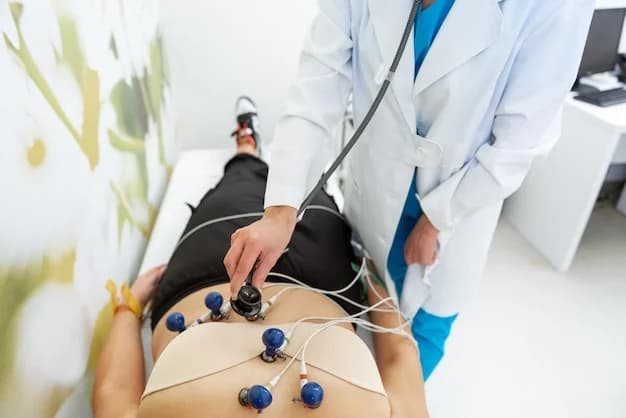
Electrodes are placed on your chest to monitor heart rate changes during deep breathing and position changes. This measures how well your heart responds to different conditions.
Your blood pressure is measured while lying down, sitting, and standing. The test checks whether your body properly adjusts blood pressure when you change positions.
You blow into a mouthpiece to create pressure while heart rate and blood pressure are monitored. This assesses how your nervous system responds to strain.
Small sensors measure sweat production in different body areas. Some tests use mild stimulation or temperature changes to trigger sweating responses.
You lie on a table that tilts upward while heart rate and blood pressure are continuously monitored. This evaluates how your body maintains circulation when upright.
A structured, patient-first approach from first consultation to full recovery.
Dr. Priyanka Sangani reviews your medical history and symptoms to determine which autonomic tests are most appropriate for your condition.
Testing is conducted in a quiet, temperature-controlled room at Blue Ray Neuro Care. The care team explains each step before proceeding.
Throughout testing, vital signs are closely watched. If you feel unwell during any test, the procedure can be stopped immediately.
Test results are analyzed to identify specific patterns of autonomic dysfunction. Findings are discussed with you and guide treatment planning.
What to expect at each stage of your recovery journey.
Most people feel normal immediately after testing. If you felt dizzy during tilt-table testing, you may rest briefly before leaving. Individual recovery varies based on how you responded to the tests.
You can resume all normal activities right away. Any mild skin irritation from electrodes typically resolves within hours. Follow any specific instructions provided by your care team.
Results are typically available within a few days. Your neurologist will discuss findings and recommend appropriate treatment based on test results and your overall condition.
Testing can identify specific types of autonomic dysfunction, helping pinpoint the cause of symptoms like dizziness or fainting. However, testing cannot always identify the underlying disease causing autonomic problems.
Results help determine which treatments may be most helpful, such as medications, lifestyle changes, or physical therapy. Testing itself does not treat the condition.
Repeat testing can track whether autonomic function is worsening, improving, or stable over time. This information helps adjust treatment plans as needed.
Some autonomic problems are intermittent and may not appear during testing. Normal test results do not always rule out autonomic dysfunction if symptoms occur at other times.
The right choice depends on your diagnosis, risks and circumstances — discussed with you at your consultation.
For some patients, diagnosis can be made based on symptoms and bedside tests without formal autonomic testing. This approach may be chosen when the diagnosis is clear or when testing facilities are not available.
This portable device records blood pressure throughout daily activities. It may be used instead of or in addition to autonomic testing when blood pressure patterns need evaluation in real-world conditions.
In some cases, treatment can begin based on clinical findings alone, with testing reserved for situations where the diagnosis remains uncertain or symptoms do not improve with initial management.
Let's clear up some of the most common myths about autonomic function testing.
Get a personalised assessment from an experienced specialist. Understand your options, ask your questions, and decide with confidence.