Performed by Dr. Priyanka Sangani at Blue Ray Neuro Care
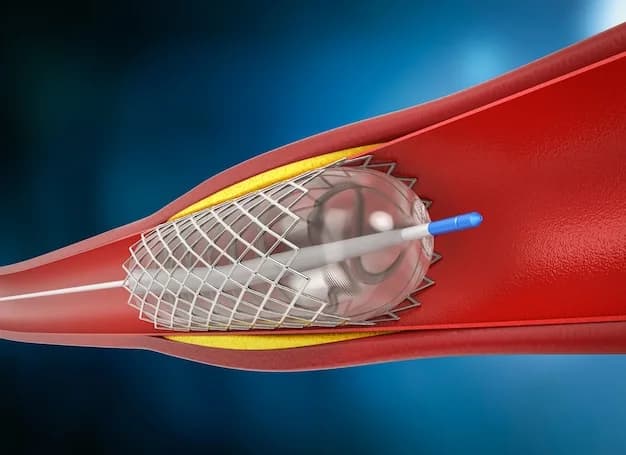
Intracranial Angioplasty and Stenting in Narsingi is a cutting-edge minimally invasive procedure that opens blocked brain arteries using balloon catheters and mesh stents. This endovascular treatment effectively restores cerebral blood flow and significantly reduces stroke risk in patients with symptomatic intracranial stenosis. Dr. Priyanka Sangani at Blue Ray Neuro Care provides expert neurological care using advanced imaging and catheter-based techniques.
We believe in honest, upfront disclosure so you can make an informed decision.
A step-by-step look at what happens during this procedure.
A thin catheter is inserted through a small groin incision and guided to the blocked brain artery using advanced imaging
A tiny balloon on the catheter tip is inflated at the narrowed site to compress plaque and widen the artery
A small mesh tube (stent) is deployed to keep the artery open and prevent re-narrowing
X-ray imaging confirms restored blood flow and proper stent positioning
The catheter is carefully removed and the groin puncture site is sealed
A structured, patient-first approach from first consultation to full recovery.
Blue Ray Neuro Care conducts comprehensive neurological evaluation and advanced brain imaging to plan the optimal approach
Dr. Priyanka Sangani performs the procedure using state-of-the-art angiography equipment and specialized neuroendovascular techniques
Our team provides real-time neurological monitoring during the procedure to ensure patient safety and optimal outcomes
Dedicated neuro-intensive care unit monitoring with experienced neurological nurses and immediate access to emergency interventions
What to expect at each stage of your recovery journey.
24-48 hours of hospital monitoring with bed rest and groin site care to prevent bleeding complications
1-2 weeks of gradual activity increase while taking prescribed blood thinners to prevent clot formation
Return to normal activities with ongoing medication management and regular neurological follow-ups
Immediate improvement in cerebral circulation with reduced risk of future strokes
Significant reduction in TIA episodes, headaches, and other neurological symptoms
Sustained artery patency with continued stroke prevention over years
Enhanced daily functioning and reduced anxiety about stroke risk
Let's clear up some of the most common myths about intracranial angioplasty and stenting.
Get a personalised assessment from an experienced specialist. Understand your options, ask your questions, and decide with confidence.