Performed by Dr. Priyanka Sangani at Blue Ray Neuro Care
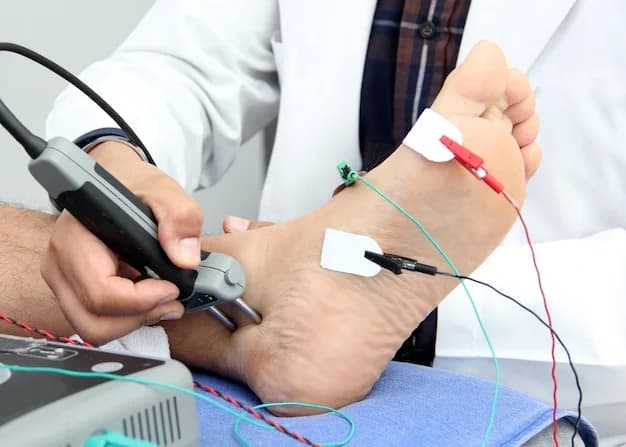
A nerve conduction study is a diagnostic test that measures how quickly and effectively electrical signals travel along your nerves. Small electrodes are placed on your skin to stimulate nerves and record their responses. This test helps identify nerve damage, pinpoint where problems are occurring, and determine how severe the issue is. Dr. Priyanka Sangani performs this study at Blue Ray Neuro Care in Narsingi to evaluate conditions like numbness, tingling, weakness, or suspected nerve injuries.
We believe in honest, upfront disclosure so you can make an informed decision.
A step-by-step look at what happens during this procedure.
Small sticky patches or recording electrodes are placed on your skin over the nerves being tested. The area is cleaned first to ensure good contact.
A brief, mild electrical pulse is delivered through stimulating electrodes placed on your skin. This activates the nerve and may feel like a quick tingling or tapping sensation.
Recording electrodes measure how the electrical signal travels along the nerve. The speed and strength of the signal are captured by a machine and displayed as waveforms on a screen.
The process is repeated at different points along the nerve pathway and on different nerves as needed. This helps map where damage or slowing occurs.
The neurologist reviews the recorded signals, comparing them to normal values. Slower speeds, reduced signal strength, or absent responses indicate nerve problems and help guide diagnosis.
A structured, patient-first approach from first consultation to full recovery.
We review your symptoms, medical history, and examination findings to determine which nerves need testing and tailor the study to your specific concerns.
The test is performed in a quiet room with the temperature controlled, as cold can affect nerve conduction. We explain each step and address any concerns you have.
Electrodes are positioned precisely over the nerves, and stimulation is adjusted to your comfort level while ensuring accurate readings. We work methodically through each nerve pathway.
After the study, we explain the findings in clear terms, discuss what they mean for your condition, and outline the next steps in your care plan.
What to expect at each stage of your recovery journey.
You can resume normal activities right away. Any tingling or mild discomfort from the test typically fades within minutes. No special care is needed for electrode sites.
Return to work, driving, and daily routines without restrictions. If there is any skin irritation where electrodes were placed, it usually resolves within a few hours.
Your neurologist will schedule a follow-up visit if further testing is needed or to begin treatment based on the findings. Individual instructions depend on your diagnosis.
The study provides objective data about nerve function, helping confirm or rule out conditions like neuropathy, nerve compression, or injury. It guides treatment decisions but does not treat the underlying problem itself.
It pinpoints where along a nerve pathway damage has occurred and assesses severity. This information helps determine whether surgery, therapy, medication, or observation is most appropriate.
Repeat studies can monitor whether nerve function is improving, stable, or worsening with treatment. However, the test reflects nerve electrical activity and may not capture all aspects of how you feel day to day.
The study tests only large nerve fibers and may not detect small fiber neuropathy or very early nerve damage. Not all causes of pain, numbness, or weakness show abnormal results on this test.
The right choice depends on your diagnosis, risks and circumstances — discussed with you at your consultation.
Often performed alongside nerve conduction studies, EMG uses fine needle electrodes inserted into muscles to assess electrical activity and distinguish nerve problems from muscle disorders. The combination provides a fuller picture.
MRI scans visualize nerve roots, the spinal cord, and surrounding structures. It may be chosen when imaging is needed to identify structural causes like herniated discs or tumors pressing on nerves.
In some cases, your neurologist may diagnose and manage your condition based on history and examination alone, reserving testing for situations where results would change the treatment approach. Choice depends on your symptoms, risks, and clinical judgment.
Let's clear up some of the most common myths about a nerve conduction study.
Get a personalised assessment from an experienced specialist. Understand your options, ask your questions, and decide with confidence.